
Understanding the Circular Economy: Benefits, Principles and Importance
Circular Economy: Meaning, Benefits and Why It Matters
The circular economy is transforming the way businesses, governments and consumers think about production and consumption. Instead of following the traditional “take-make-dispose” model, the circular economy focuses on keeping materials and products in use for as long as possible through reuse, repair, recycling and sustainable design.
As environmental challenges and resource shortages continue to grow, the transition to a circular economy is becoming increasingly important for both economic development and environmental protection.
What Is a Circular Economy?
A circular economy is a sustainable economic model designed to minimize waste and maximize the value of resources. It encourages sharing, leasing, repairing, refurbishing, remanufacturing and recycling products instead of simply discarding them after use.
The goal is to extend the life cycle of products and materials, ensuring they remain in circulation within the economy for as long as possible.
In a circular system:
- Products are designed to last longer
- Materials are reused multiple times
- Waste is reduced to a minimum
- Recycling becomes part of the production cycle
This differs from the traditional linear economy, which follows a simple pattern: extract resources, manufacture products, consume them and throw them away.
Why the Circular Economy Is Important
Global demand for raw materials is increasing rapidly due to population growth, industrial expansion and higher consumption levels. However, natural resources are finite, and many countries depend heavily on imports of critical materials.
The circular economy helps reduce this dependence by recovering and reusing existing materials instead of constantly extracting new ones. It also supports long-term sustainability by reducing pollution, conserving energy and lowering greenhouse gas emissions.
Another major concern is waste generation. Millions of tonnes of waste are produced globally every year, including large amounts of packaging waste, electronic waste and textiles. Circular strategies aim to prevent waste before it is created and ensure materials are reused efficiently.
Environmental Benefits of the Circular Economy
Reducing Waste and Pollution
One of the main advantages of the circular economy is the reduction of waste sent to landfills or incineration facilities. Reusing and recycling materials helps decrease pollution and lowers pressure on ecosystems.
Conserving Natural Resources
By extending product lifespans and reusing materials, fewer raw materials need to be extracted from the environment. This helps protect forests, water resources, landscapes and biodiversity.
Lowering Carbon Emissions
Circular production methods can significantly reduce greenhouse gas emissions. Manufacturing products from recycled materials often requires less energy than producing them from virgin resources.
Encouraging Sustainable Product Design
A large share of a product’s environmental impact is determined during the design phase. Circular design focuses on durability, repairability and recyclability, making products more sustainable from the start.
Economic and Social Benefits
Creating New Jobs
The transition to a circular economy can create employment opportunities in sectors such as recycling, repair services, remanufacturing, sustainable product design and renewable energy.
Stimulating Innovation
Businesses are encouraged to develop new materials, technologies and business models that support reuse and sustainability. This drives innovation across industries.
Saving Consumers Money
Durable and repairable products reduce replacement costs over time. Consumers can benefit from products that last longer and offer better long-term value.
Increasing Economic Resilience
Using recycled and recovered materials helps reduce dependence on imported raw materials and protects economies from supply chain disruptions and price volatility.
Key Principles of the Circular Economy
The circular economy is based on several core principles:
- Eliminate waste and pollution from the design stage
- Keep products and materials in use for as long as possible
- Regenerate natural systems
- Promote renewable energy and sustainable production
- Encourage responsible consumption habits
These principles help create a system that benefits businesses, consumers and the environment simultaneously.
Examples of Circular Economy Practices
Many industries are already adopting circular solutions, including:
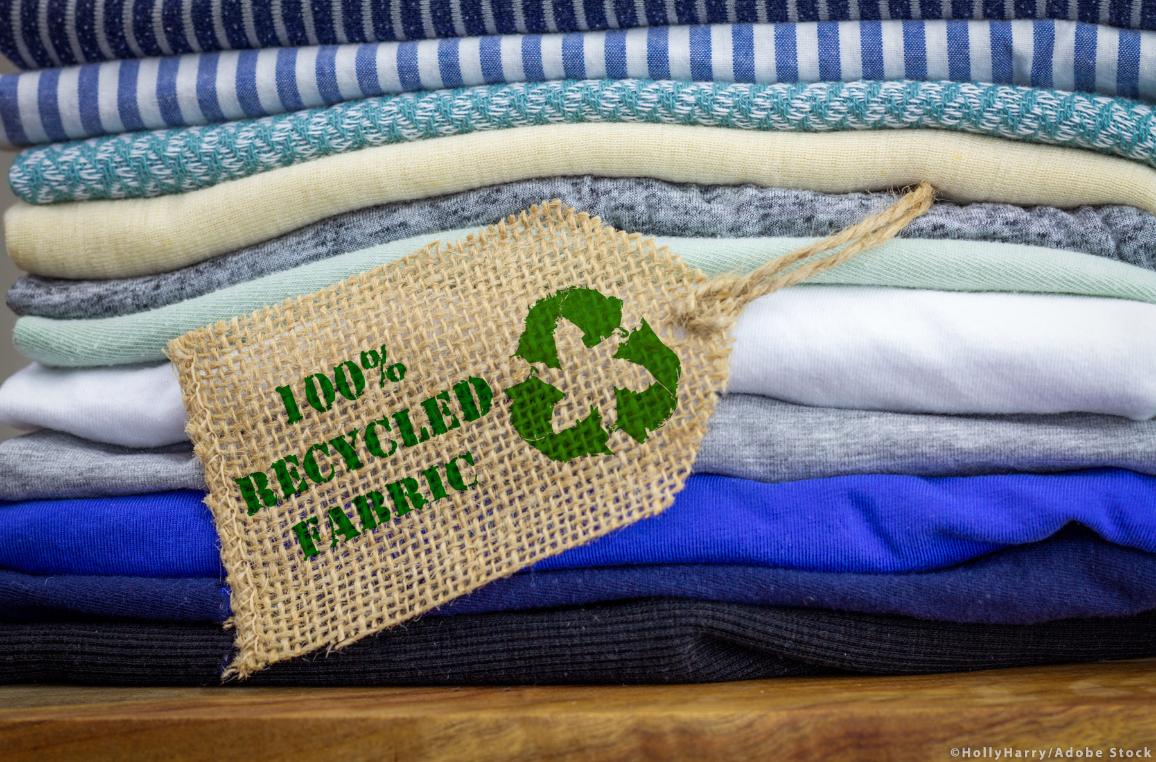
- Clothing brands using recycled fabrics
- Electronics companies offering repair programs
- Furniture manufacturers refurbishing used products
- Businesses introducing reusable packaging systems
- Companies leasing products instead of selling them outright
Consumers also contribute by repairing products, buying second-hand items, recycling correctly and choosing sustainable brands.
The Future of the Circular Economy
Governments and organizations around the world are introducing policies and legislation to support the transition toward circular systems. These measures focus on sustainable product design, waste reduction, recycling targets and the right to repair.
The circular economy is expected to play a major role in achieving climate goals, reducing environmental damage and building a more sustainable future.
As industries continue to innovate and consumers become more environmentally conscious, circular practices are likely to become a standard part of modern economies.
The circular economy offers a practical solution to some of today’s biggest environmental and economic challenges. By reducing waste, conserving resources and extending the life of products, it creates a more sustainable and efficient system for production and consumption.
Shifting from a linear to a circular model can help protect the environment, support economic growth, encourage innovation and improve quality of life for future generations.
Hits: 4973 | Leave a comment
About the Author

Laura Palazzi
Laura holds a two-year technical degree in Marketing, Communication, and Logistics from St. Louis – Ste. Marie School in Gignac-la-Nerthe, France. Passionate about fashion, she enjoys writing about the latest fashion trends, branding, and marketing strategies.
Related Articles

 (4)m.jpg)